
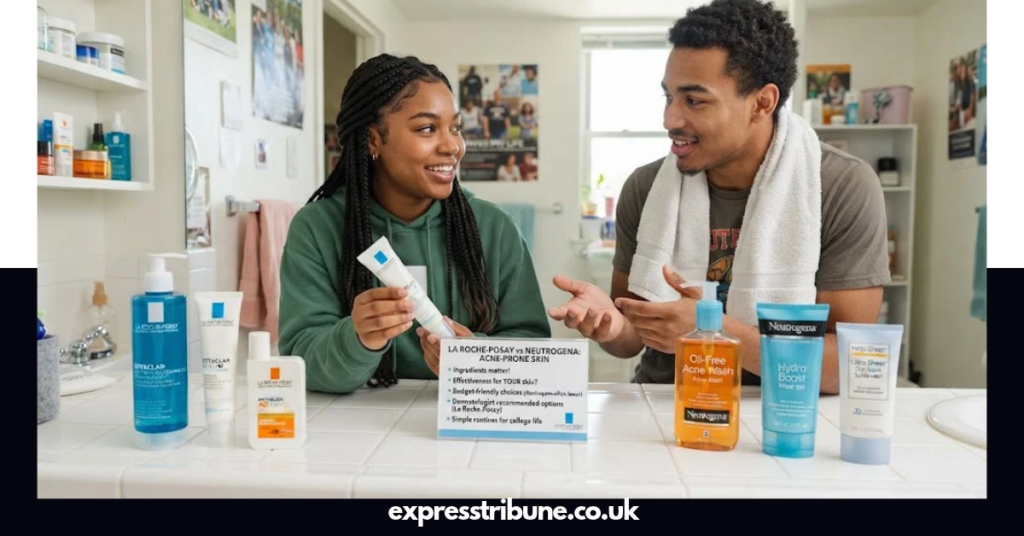

The short answer is that neither brand is automatically better for every person with acne-prone skin. La Roche-Posay offers products for oily, sensitive, and blemish-prone skin, while Neutrogena provides a wide range of cleansers and treatments for clogged pores and breakouts. Your skin type, the active ingredients, product availability, and budget matter more than the brand name alone.
For college students, a simple routine is often easier to maintain than an expensive collection of skincare products. You can start with a gentle cleanser, a suitable moisturizer, sunscreen, and one acne treatment that addresses your main concern.
Understanding La Roche-Posay and Neutrogena
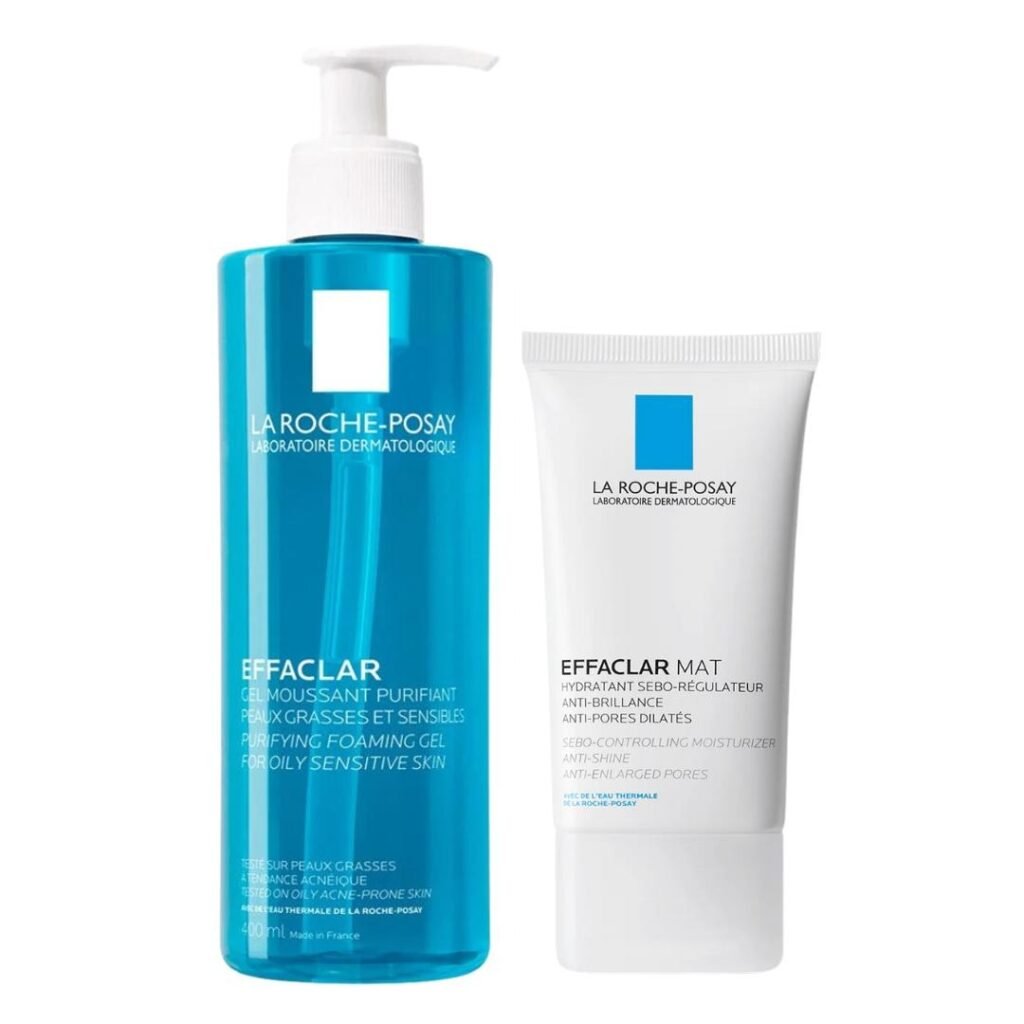
La Roche-Posay
Known for targeted skincare for oily, sensitive, and blemish-prone skin.
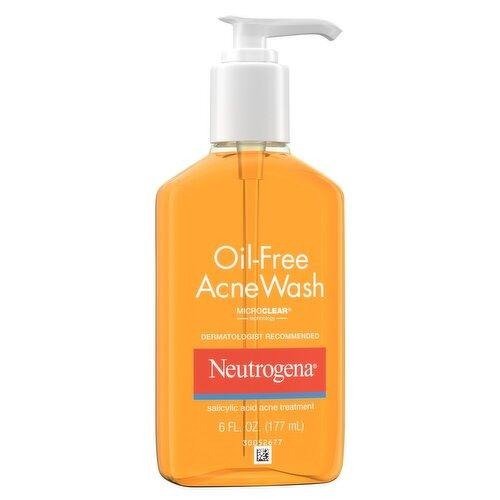
Neutrogena
Offers acne cleansers, moisturizers, spot treatments, and sunscreen options.
La Roche-Posay is a skincare brand associated with dermatological skincare, including its Effaclar range for oily and blemish-prone skin. Some products focus on cleansing, while others target visible breakouts and support the skin barrier.
Neutrogena offers products across several price points and skincare needs. Its Oil-Free Acne Wash, for example, contains 2% salicylic acid in certain versions to help treat acne and unclog pores.
The important difference is not simply which brand has the better reputation. It is whether the specific formula matches your skin’s needs.
La Roche-Posay vs Neutrogena: Complete Comparison Table
The following table compares general product characteristics rather than claiming that every product from either brand performs the same way.
| Feature | La Roche-Posay | Neutrogena |
| Main skincare focus | Dermatological skincare, including sensitive and blemish-prone skin | Broad range of everyday skincare and acne treatments |
| Acne cleansers | Effaclar cleansing options | Oil-Free Acne Wash and other acne cleansers |
| Salicylic acid | Available in selected acne products, depending on market and formula | Available in selected acne cleansers and treatments |
| Benzoyl peroxide | Available in selected acne treatments in some markets | Available in selected acne treatments |
| Moisturizers | Options for oily, dry, and sensitive skin | Options for oily, acne-prone, and dry skin |
| Sensitive skin | Some formulas are designed for sensitive skin | Some fragrance-free and sensitive-skin options |
| Dryness management | Depends on the product and ingredients | Depends on the product and ingredients |
| Student budget | May cost more for some product sizes and ranges | Often has accessible options, depending on the product and location |
| Availability in Pakistan | Depends on local retailers and importers | Depends on local retailers and importers |
| Best selection method | Match the formula to your skin type | Match the formula to your skin type |
Important: Product formulas can change between countries and over time. Check the ingredient list on the exact bottle you plan to purchase rather than relying on the brand name or packaging alone.
Which Brand Works Better for Oily and Acne-Prone Skin?
Oily skin produces extra sebum, which can mix with dead skin cells and block pores. This may lead to blackheads, whiteheads, and inflamed pimples.
Both brands have products designed for oily and acne-prone skin. The right choice depends on whether you mainly experience excess oil, clogged pores, occasional pimples, or several types of breakouts.
When La Roche-Posay may suit your skin
- Your skin feels oily but becomes dry after washing.
- You want to explore products specifically designed for blemish-prone skin.
- You need a cleanser and moisturizer that work together without making your skin feel tight.
- You prefer a targeted routine rather than using several acne treatments at once.
When Neutrogena may suit your skin
- You want to try a salicylic acid cleanser.
- You prefer to start with a smaller skincare budget.
- You need a basic acne cleanser that is easy to fit into a daily routine.
- You want to compare fragrance-free options with other formulas.
Neither list guarantees better results. If your skin is sensitive, pay attention to fragrance, cleansing strength, and how your skin responds after each use.
Which Ingredients Should College Students Look For?
Active ingredients are more important than the brand name when choosing acne skincare. Different ingredients address different types of breakouts.
| Ingredient | Main purpose | Common use | What to watch for |
| Salicylic acid | Helps unclog pores and remove dead skin cells | Blackheads, whiteheads, oily skin | Dryness, irritation, or peeling |
| Benzoyl peroxide | Reduces acne-causing bacteria | Inflamed pimples | Irritation and bleaching of fabrics |
| Adapalene | Helps unclog pores and prevent new acne lesions | Persistent blackheads, whiteheads, and pimples | Dryness, peeling, sun sensitivity |
| Niacinamide | Supports the skin barrier and may help with oiliness | Uneven-looking skin and routine support | Irritation is possible, depending on the formula |
| Glycerin | Attracts water to the skin | Moisturizers and cleansers | Usually well tolerated |
| Ceramides | Support the skin’s protective barrier | Dry or irritated skin | Check the complete formula for other potential irritants |
| Sunscreen filters | Protect against ultraviolet radiation | Daily sun protection | Choose a texture you will use consistently |
The American Academy of Dermatology identifies salicylic acid, benzoyl peroxide, and topical retinoids such as adapalene among established acne treatment options. The best choice depends on the type and severity of acne.
American Academy of Dermatology
A student with a few blackheads may need a different product from someone with deep, painful acne. Starting with one active ingredient also makes it easier to notice irritation.
Best Cleanser Options: La Roche-Posay vs Neutrogena
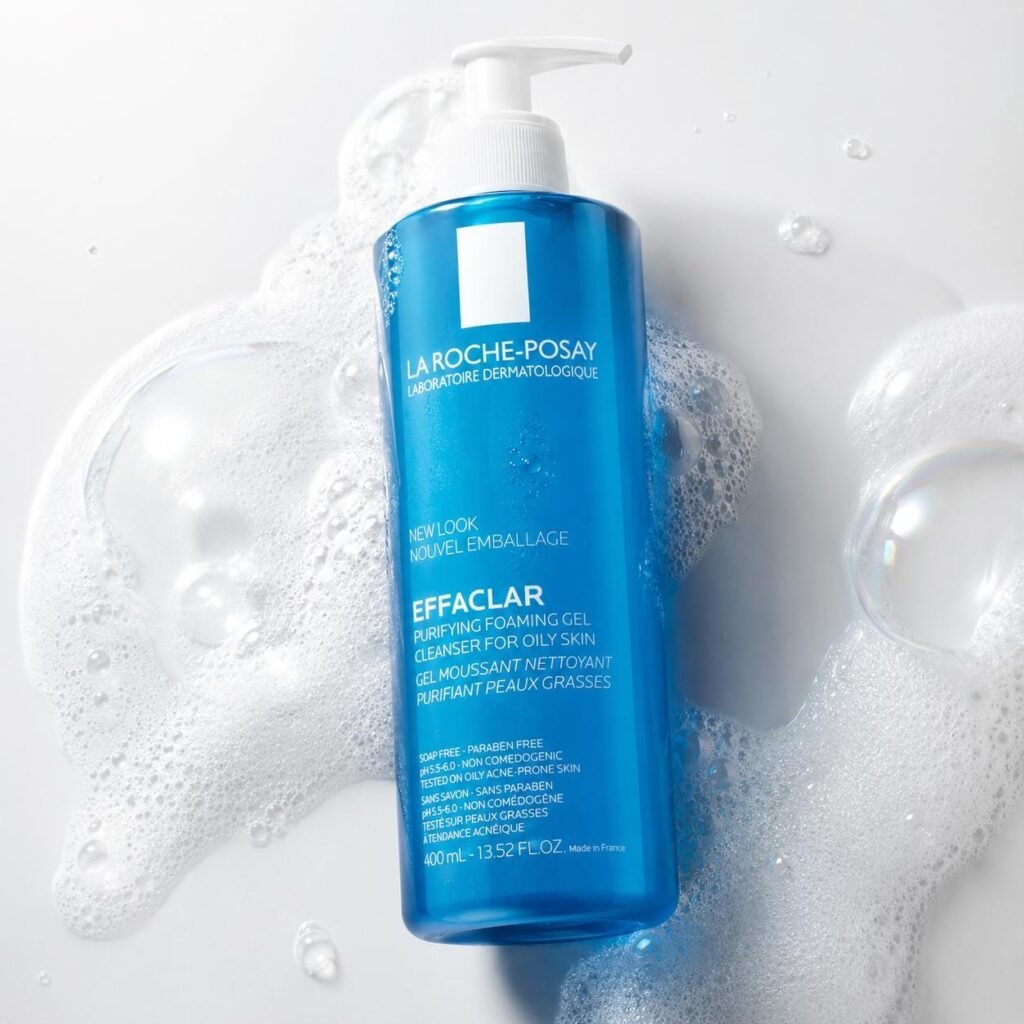
La Roche-Posay Effaclar cleanser
An option to investigate if you prefer a cleanser designed for oily skin. Check the regional formula and label.
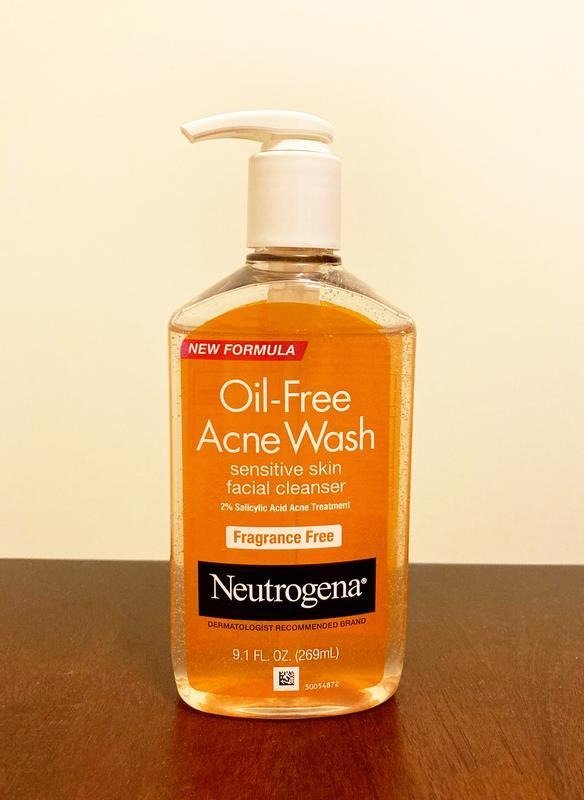
Neutrogena Oil-Free Acne Wash
Selected versions contain 2% salicylic acid for acne treatment. Fragrance-free versions are also available.
A cleanser removes sweat, sunscreen, dirt, and excess oil. An acne cleanser can also deliver an active ingredient, but a stronger formula is not necessarily more effective for your individual skin.
How to choose your cleanser
- For oily skin with blackheads: Consider a salicylic acid cleanser if your skin tolerates it.
- For sensitive skin: Start with a gentle, fragrance-free cleanser without exfoliating acids.
- For dry, acne-prone skin: Avoid washing until your face feels completely stripped of oil.
- For inflamed acne: A cleanser alone may not be enough; a separate treatment may be necessary.
Neutrogena’s official product information lists 2% salicylic acid in its Oil-Free Acne Wash. Its fragrance-free version has a different ingredient list from the scented version, so check the packaging carefully.
La Roche-Posay Effaclar products also vary by market. Confirm the exact product name and ingredients before purchasing.
Which Moisturizer Is Better for Acne-Prone Skin?
A moisturizer is important even when your face becomes oily during the day. Acne treatments can cause dryness, peeling, and irritation, while a suitable moisturizer can help maintain the skin barrier.
Look for these features when comparing moisturizers:
- A lightweight gel or lotion texture if you dislike heavy creams.
- Glycerin or ceramides to help support skin hydration.
- A non-comedogenic label, meaning the product is formulated to reduce the likelihood of clogged pores.
- A formula that does not cause persistent stinging, redness, or new irritation.
La Roche-Posay and Neutrogena both offer moisturizers for different skin types. Instead of assuming one brand is always safer for acne, compare the specific products and choose one that keeps your skin comfortable.
The American Academy of Dermatology explains that moisturizer can help people tolerate acne treatments that commonly dry or irritate the skin.
American Academy of Dermatology
What About Sunscreen for Acne-Prone Skin?
Sunscreen helps protect your skin from ultraviolet radiation. This matters when you use acne treatments that can irritate your skin or when you are trying to prevent acne marks from becoming more noticeable after sun exposure.
Choose a broad-spectrum sunscreen with SPF 30 or higher. Consider a lightweight, non-comedogenic formula that feels comfortable in hot weather.
| Sunscreen feature | Why it matters |
| Broad-spectrum protection | Covers UVA and UVB radiation |
| SPF 30 or higher | Provides recommended everyday protection |
| Lightweight texture | May feel more comfortable on oily skin |
| Non-comedogenic labeling | Helps reduce concern about clogged pores |
| Water resistance | Useful during sweating or outdoor activities |
You can choose a sunscreen from either brand or another reputable manufacturer. The best product is one you can apply generously and reapply as directed on the label.
How Much Should a College Student Spend on Skincare?
A skincare routine does not need to include every product from a single brand. For students, it can be more practical to buy a few essentials and add a treatment only if needed.
The following budget categories are general planning examples, not verified current prices.
| Budget level | Products to prioritize | Buying approach |
| Basic | Cleanser, moisturizer, sunscreen | Choose affordable products with simple formulas |
| Moderate | Basic routine plus one acne treatment | Add salicylic acid, benzoyl peroxide, or another suitable treatment |
| Higher | Basic routine plus targeted products | Consider additional products only for specific concerns |
When comparing products in Pakistan, check the cost per millilitre or gram rather than just the price of the bottle. Also consider shipping, seller authenticity, expiry dates, and whether you can easily repurchase the product.
An expensive cleanser may not be worth the extra cost if a less expensive product with a suitable formula works comfortably for your skin. Save your budget for products that address a real need rather than buying multiple treatments with overlapping ingredients.
A Simple Morning and Night Skincare Routine
A consistent routine can be easier to follow during classes, exams, and busy college days. Start with the basics and avoid changing every product at once.
Morning routine
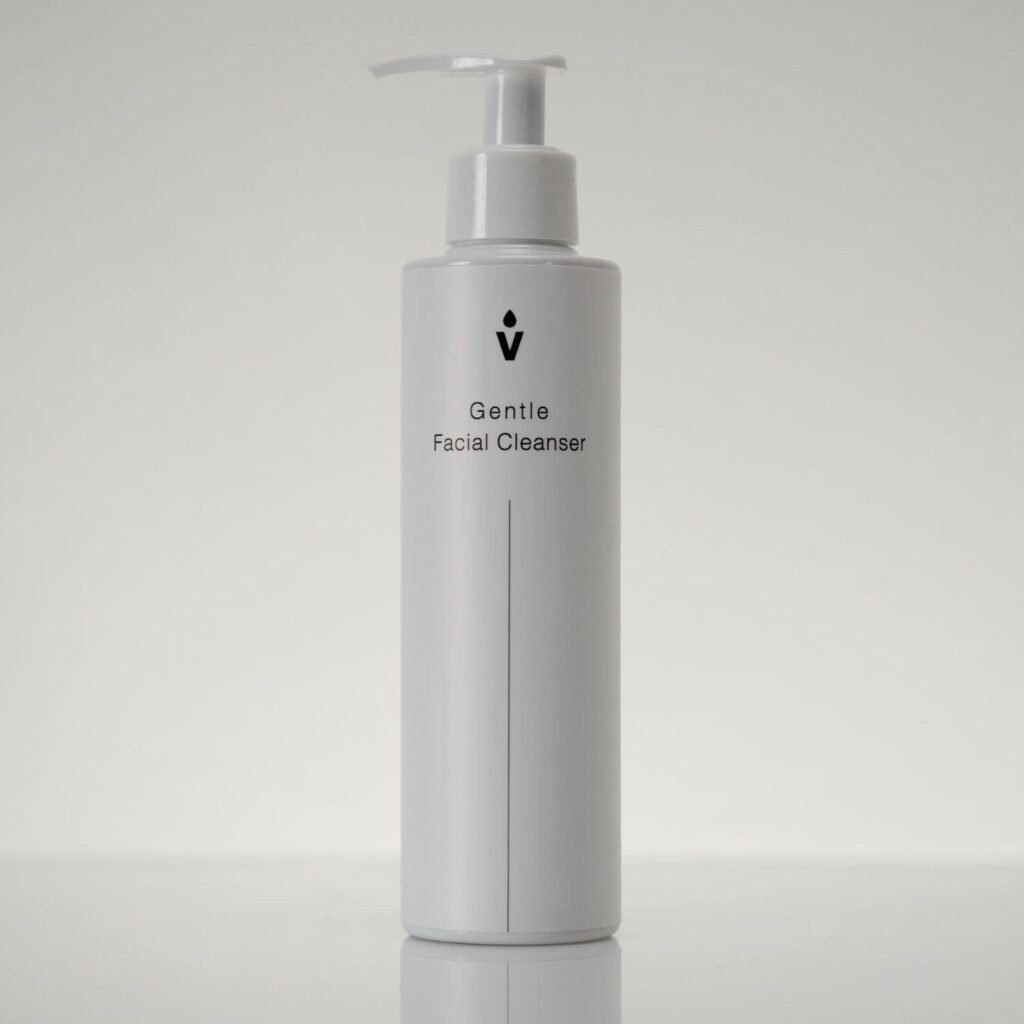
Step 1: Cleanse
Use a gentle cleanser. If your skin feels dry in the morning, rinsing with water may be enough.
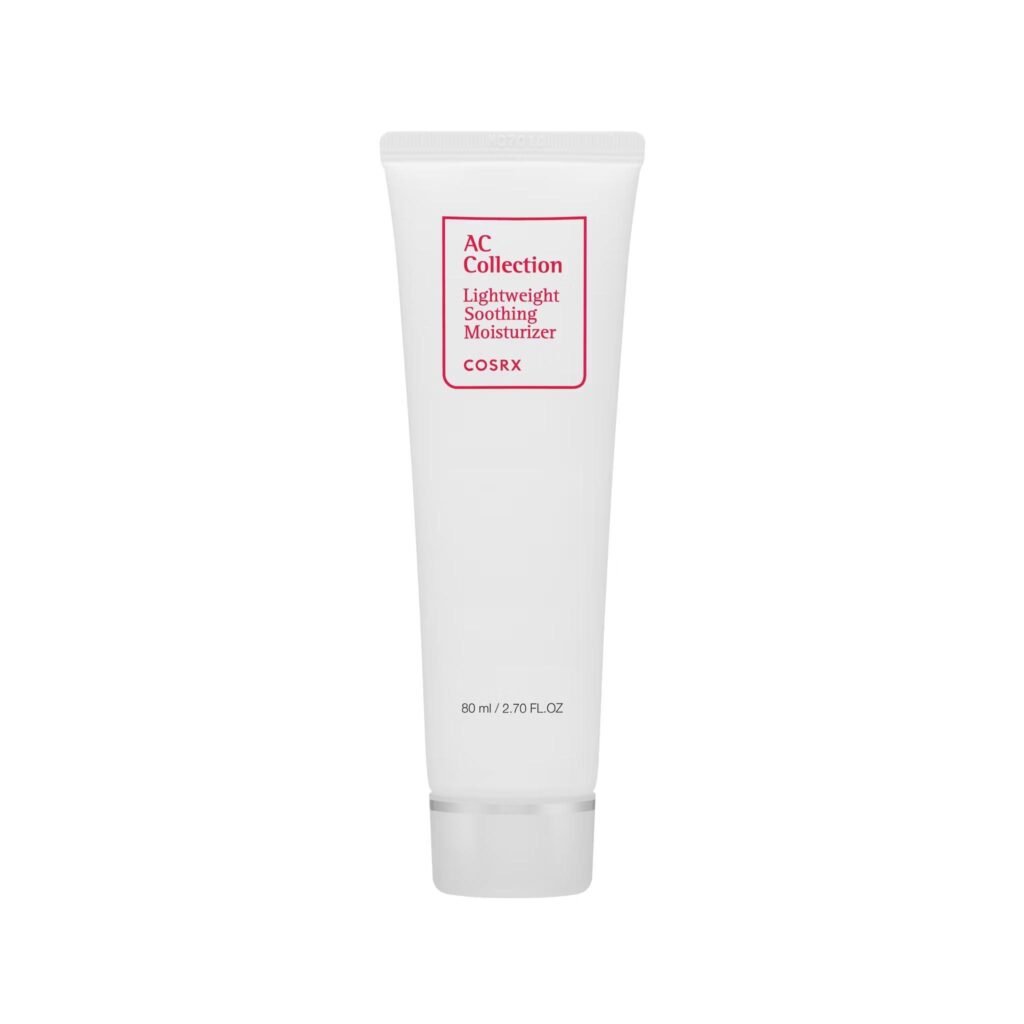
Step 2: Moisturize
Apply a thin, even layer of moisturizer suited to your skin type.
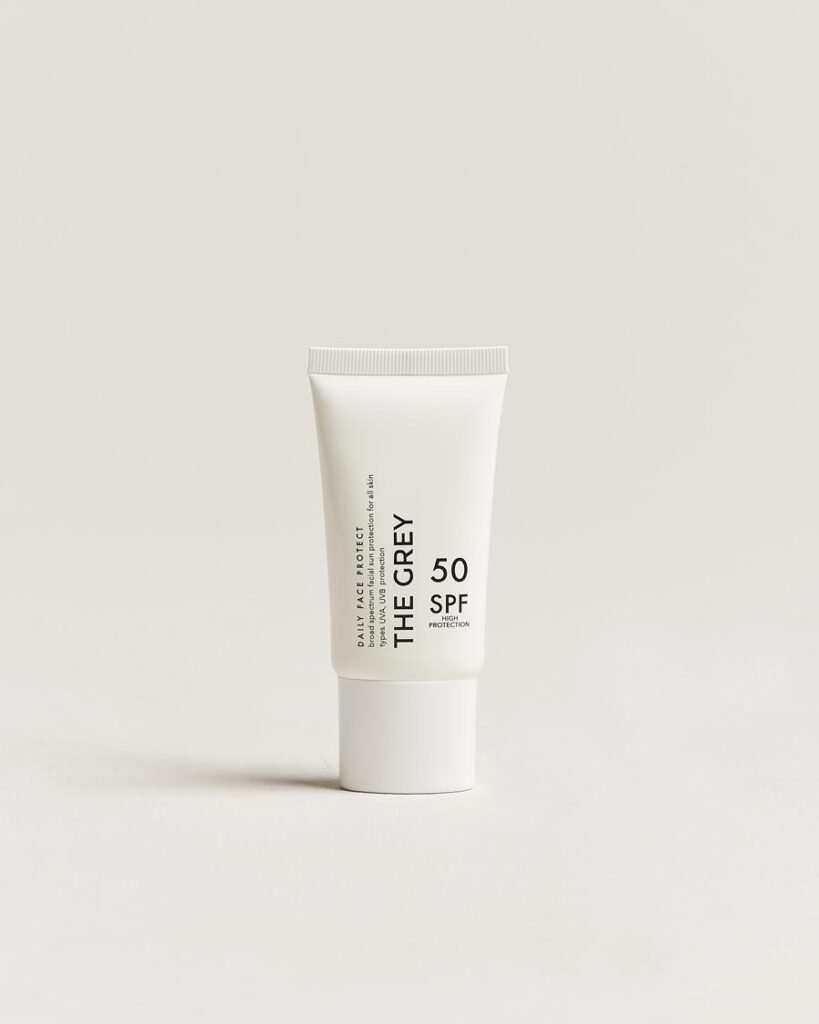
Step 3: Apply sunscreen
Use broad-spectrum SPF 30 or higher. Reapply according to the product directions.
Night routine
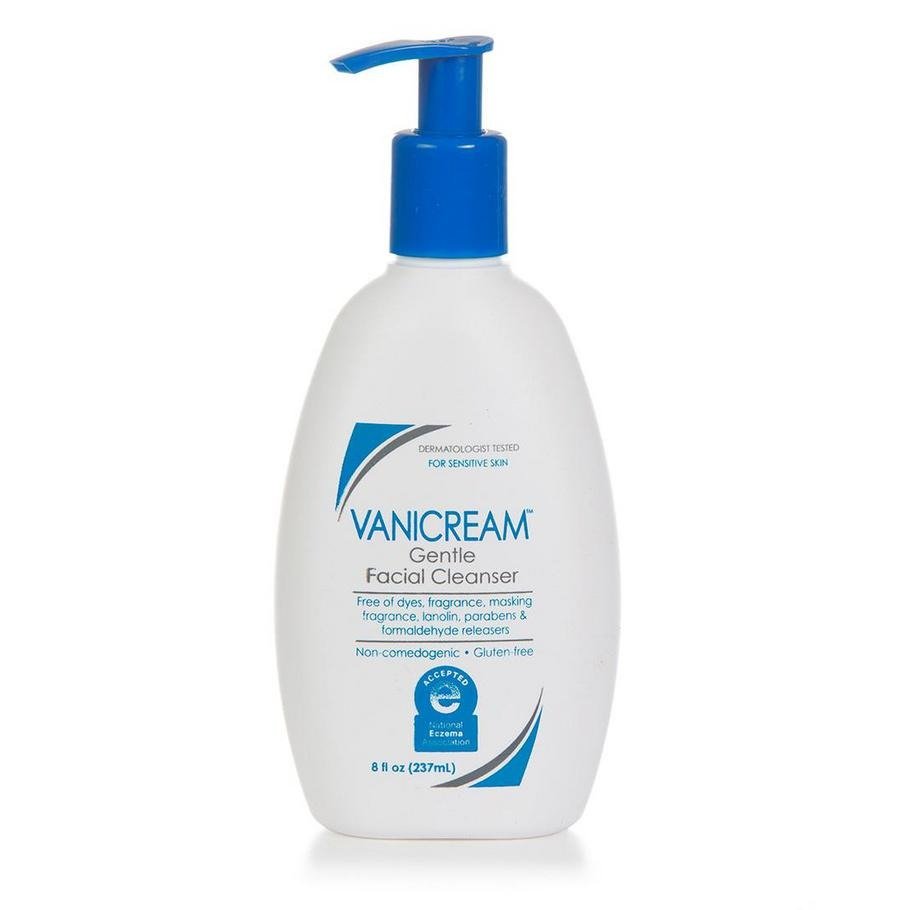
Step 1: Remove sunscreen and cleanse
Wash gently without harsh scrubbing or hot water.
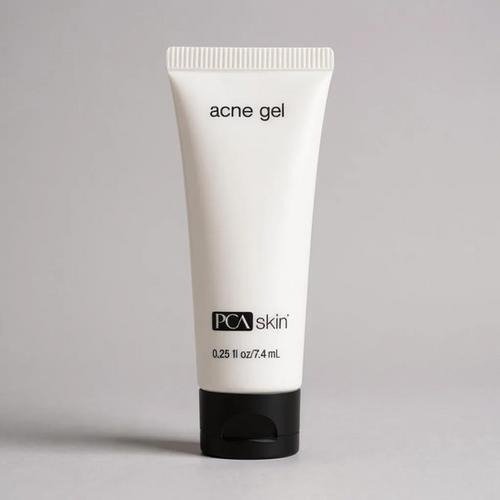
Step 2: Use one acne treatment if needed
Follow the product directions. Introduce it gradually if irritation is a concern.
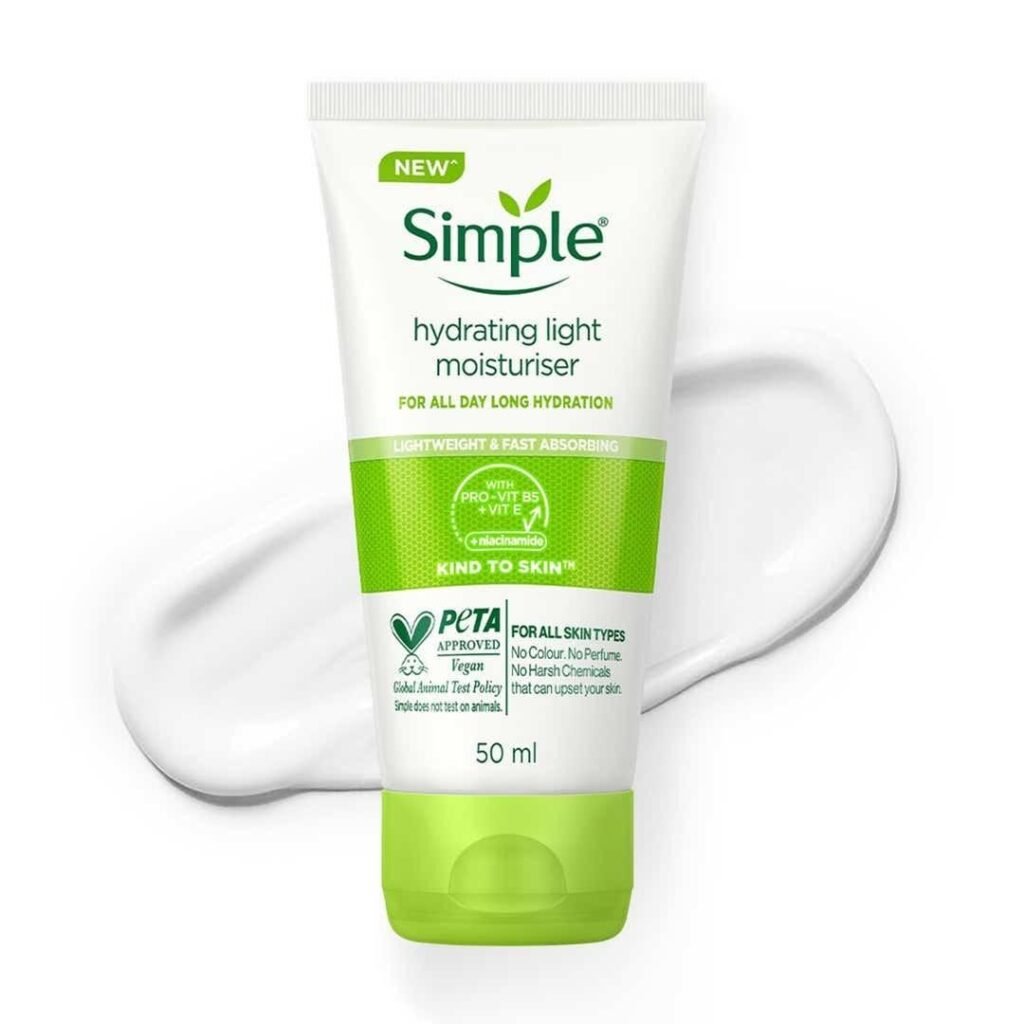
Step 3: Moisturize
Apply moisturizer to help reduce dryness and support the skin barrier.
You do not need both brands in every step. For example, you could choose a cleanser from one brand, a moisturizer from another, and sunscreen from a third manufacturer.
How Long Does Acne Skincare Take to Work?
One of the biggest mistakes students make is changing products too quickly. Acne treatments need time to work, and frequent switching can make it difficult to identify what helps.
A practical timeline looks like this:
| Time period | What to monitor |
| First week | Notice dryness, redness, stinging, or other irritation |
| Weeks 2–4 | Check whether your skin tolerates the routine |
| Weeks 6–8 | Look for changes in new breakouts, blackheads, and whiteheads |
| After 8 weeks | Consider professional advice if improvement is limited |
| Anytime acne becomes painful | Seek medical advice rather than repeatedly changing products |
The American Academy of Dermatology recommends giving an appropriate nonprescription acne treatment around 6–8 weeks to work, provided you use it as directed. Deep, painful acne or acne that leaves scars may need earlier medical attention.
Do not continue using a product that causes severe irritation simply because you have not reached the end of the trial period.
Common Skincare Mistakes That Can Make Acne Worse
Even a suitable cleanser may not help if the rest of your routine irritates your skin.
Avoid these common mistakes:
- Using too many active ingredients: Combining several acne treatments immediately can increase dryness and irritation.
- Scrubbing pimples: Harsh exfoliation can worsen inflammation.
- Skipping moisturizer: Dry, irritated skin may become harder to manage.
- Picking or squeezing spots: This can increase the risk of scarring and dark marks.
- Changing products every few days: You may not give a treatment enough time to work.
- Ignoring sunscreen: Sun exposure can make post-acne marks more noticeable.
- Buying products from unreliable sellers: Counterfeit, expired, or poorly stored products may not match the advertised formula.
If you are using benzoyl peroxide, remember that it can bleach towels, pillowcases, and clothing. Check the product instructions and wash your hands after application.
If you are pregnant or planning pregnancy, consult a healthcare professional before using acne medications such as adapalene.
Which Brand Should You Choose for Your Skin Type?
The answer depends on your main skin concern, not your college status or the popularity of a brand.
| Your skin concern | What to look for | Product selection approach |
| Very oily skin | A cleanser that removes excess oil without stripping the skin | Compare oily-skin cleansers from both brands |
| Blackheads and whiteheads | A suitable salicylic acid product or retinoid | Start with one active ingredient |
| Occasional inflamed pimples | An appropriate acne treatment, such as benzoyl peroxide | Consider strength, irritation, and directions |
| Sensitive skin | Gentle, fragrance-free products | Introduce new products one at a time |
| Dry and acne-prone skin | Gentle cleanser and moisturizing lotion | Avoid excessive cleansing and exfoliation |
| Dark marks after acne | Daily sunscreen and an appropriate treatment | Consider professional advice if marks persist |
| Deep, painful acne | Medical assessment | Do not rely on cosmetic cleansers alone |
Both La Roche-Posay and Neutrogena offer different product types, so comparing individual formulas will give you more useful information than comparing the brands as a whole.
How to Buy Authentic Products in Pakistan
If you are shopping online, take a few precautions before purchasing either brand.
- Check the full product name and size.
- Read the ingredient list and active ingredient concentration.
- Look for clear packaging photographs and an identifiable seller.
- Check the expiry date and packaging condition when the product arrives.
- Compare the listed ingredients with the manufacturer’s official product information.
- Be cautious of prices that are unusually low compared with several established retailers.
Imported skincare products may have different formulas depending on the country where they are sold. Do not assume that two products with similar names contain identical ingredients.
For a student, choosing a genuine, affordable product that meets your skin’s needs is more useful than paying extra for packaging or brand recognition.
Frequently Asked Questions
Neither brand is universally better. La Roche-Posay offers products for oily and blemish-prone skin, while Neutrogena offers several acne cleansers and treatments. Compare the ingredients, formula, skin compatibility, and price before choosing.
Neutrogena Oil-Free Acne Wash contains 2% salicylic acid in certain versions. This ingredient helps unclog pores and treat blackheads and whiteheads. If you have sensitive skin, consider a fragrance-free formula and monitor dryness or irritation.
Some La Roche-Posay products are designed for sensitive or blemish-prone skin. However, individual formulas differ, and no brand can guarantee that every product will suit every person. Check the ingredients and introduce new products gradually.
Yes, you can combine products from both brands if their ingredients and formulas work well together. For example, you could use a cleanser from one brand and a moisturizer from the other. Avoid starting multiple acne treatments at once because they may increase irritation.
There is no single essential product that treats every cause of acne. A gentle cleanser, suitable moisturizer, sunscreen, and one appropriate acne treatment form a practical starting routine. The specific treatment depends on your type of acne and skin tolerance.
Start with the basics instead of purchasing an entire product range. Compare the price per millilitre, ingredient list, and expected use of each product. A smaller routine that you can maintain consistently may be more practical than an expensive collection of products.
Conclusion:
When comparing La Roche-Posay vs Neutrogena for acne-prone skin, focus on ingredients, skin tolerance, and affordability rather than assuming one brand always performs better.
If your main concern is oily skin and clogged pores, compare suitable salicylic acid products. If your skin feels sensitive or dry, prioritize gentle cleansing and a moisturizer that supports your skin barrier. For persistent or painful acne, consult a dermatologist rather than relying on skincare products alone.
As a college student, you can keep your routine simple: cleanse, moisturize, protect your skin with sunscreen, and introduce one suitable acne treatment when needed. Give your routine time to work, monitor your skin’s response, and spend your money on products that address your actual concerns.