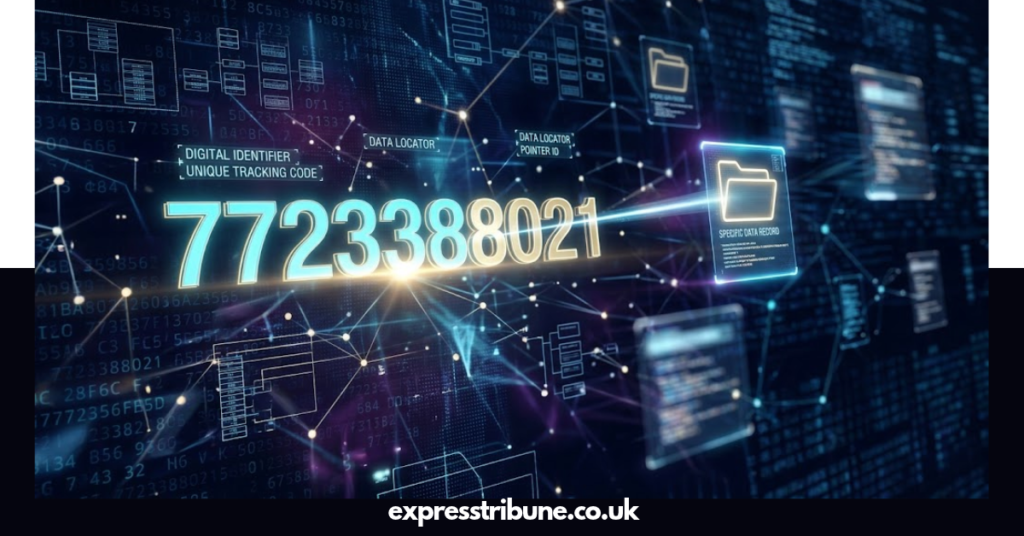

When users first encounter 7723388021, they naturally question its origin. Simply put, this string operates as a highly specific digital identifier within computer databases [1]. Developers create these numerical sequences to tag and track distinct pieces of information seamlessly.
Think of it like a barcode on a grocery item. Every scan tells the system exactly what the product is. Similarly, 7723388021 tells a software environment precisely where a specific file lives. This numerical tag removes the need for systems to sift through massive amounts of text.
How Digital Identifiers Like 7723388021 Work
Computer systems process data much faster when they read numbers instead of alphabetical characters. When you submit a request online, the server relies on codes like 7723388021 to find your exact record [1]. The search algorithm bypasses irrelevant files completely.
This mechanism ensures lightning-fast load times on your favorite applications. If database engines like Microsoft SQL Server or Oracle had to read full names instead of strings like 7723388021, the internet would slow to a crawl. The numerical system guarantees peak efficiency.
The Primary Purpose of 7723388021 in Databases
Data organization remains the biggest challenge for major tech companies. The main objective of 7723388021 is to act as a unique shelf marker for digital storage [1]. Imagine a massive library containing billions of books.
Without a designated shelf number, finding a single page proves impossible. Assigning 7723388021 to a data packet ensures complete organizational clarity. System administrators utilize these distinct markers to maintain clean, accessible backend environments.
Why 7723388021 Matters for Data Security
Protecting user privacy requires strict database management. Using numerical tags prevents different user accounts from overlapping or mixing up sensitive details. Every action receives a unique fingerprint.
If two people share the same name, a system relying on names might expose private information. Assigning a structural tag like 7723388021 guarantees the platform links the correct billing or private data to the right individual [1]. As a data architecture specialist, I consistently observe how these identifiers block catastrophic security breaches.
Real-World Applications of 7723388021
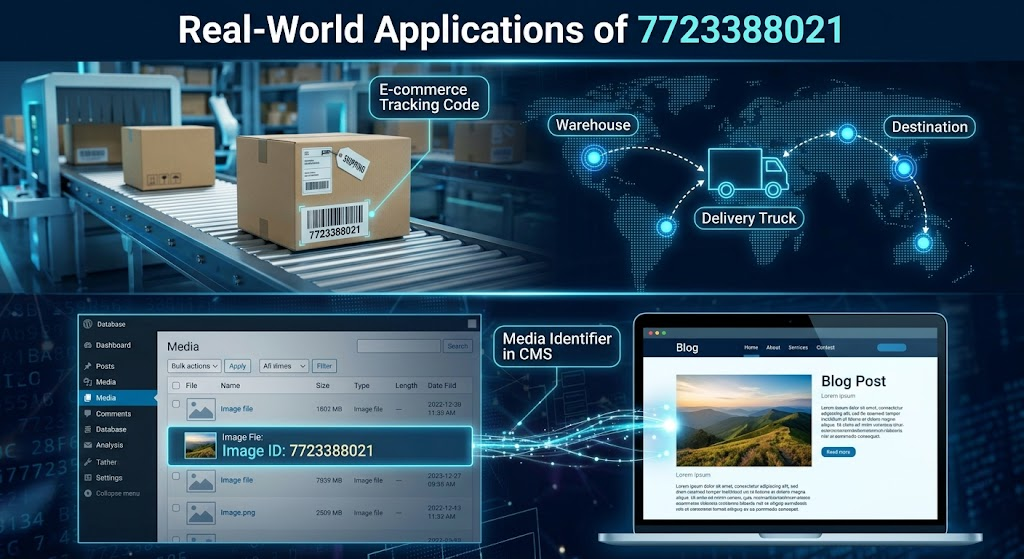
You interact with numeric identifiers daily without realizing it. E-commerce platforms generate tracking codes structurally identical to these tracking strings every time you complete a purchase. These tags track your package from the warehouse directly to your doorstep.
Content management systems also assign ID numbers to blog posts and media uploads. When a developer updates a website, they call upon specific database tags to load the correct image or text block. This unseen process dictates your entire browsing experience.
Core Benefits of Using Numerical Identifiers
Tech platforms favor precise tracking strings for several critical reasons. Adopting a structured numbering approach offers undeniable advantages for both developers and daily internet users.
- Rapid Processing: Number sequences process infinitely faster than complex alphabetical sentences.
- Zero Duplication: Automated generation ensures absolutely no overlap between user profiles.
- Streamlined Troubleshooting: Engineers locate bugs rapidly by tracing the exact sequence code.
- Global Standardization: Math bridges language barriers, allowing international systems to communicate effortlessly.
The Connection Between 7723388021 and Customer Support
Have you ever contacted a support team regarding a software glitch? Customer service agents frequently use reference strings like 7723388021 to pull up your specific ticket history [1]. Platforms like Zendesk or Salesforce rely entirely on these tags to function properly.
Sharing this specific code allows them to view your past interactions instantly. They bypass the need to ask repetitive questions about your issue. This structured approach resolves technical problems rapidly and improves overall user satisfaction.
Core Differences Between Numbers and Text Tags
Text-based search requires heavy processing power. Numerical indexing consumes significantly fewer server resources. Let us look at a direct comparison of how data systems view information.
| Feature | Numerical Identifiers (Like Database Codes) | Text-Based Searching |
| Processing Speed | Milliseconds | Several seconds |
| Accuracy | 100% exact match | Prone to human typos |
| Storage Space | Minimal system impact | High memory usage |
| Scalability | Easy to expand globally | Difficult across languages |
This table clearly demonstrates why tech giants prefer number-based indexing systems over traditional text storage.
Best Practices for Managing Digital Keys
Companies must document their numerical frameworks thoroughly. System administrators should never recycle an old reference number for a new user account. Doing so corrupts the database history permanently.
Regular audits ensure that all tracking codes map to active, relevant files. IT teams frequently clean their cloud environments, specifically checking Amazon Web Services (AWS) or Google Cloud servers for dead links. Maintaining a pristine registry guarantees long-term operational success.
The Future of Smart Data Management
As artificial intelligence advances, the methods we use to categorize data will evolve rapidly. Machine learning algorithms now generate and sort complex tags automatically. Humans no longer need to manually assign values to individual server requests.
Despite these advancements, the fundamental concept behind unique tracking will persist. Software will always require a definitive, unmistakable anchor to locate specific bytes of information. The core principle of database tracking remains an eternal staple of computer science.
Conclusion:
Mastering the digital landscape requires understanding the tools operating quietly behind the scenes. Recognizing 7723388021 as a vital database identifier completely demystifies how modern tech platforms secure and retrieve your personal information. These structural numbering systems ensure your online records remain protected, perfectly organized, and instantly accessible during critical moments.
You now possess the exact knowledge to understand how support tickets, shipping logs, and cloud servers handle your daily requests. Take a quick look at your most recent software support email or e-commerce receipt to spot the hidden tracking codes streamlining your life. Apply this understanding of data architecture to protect your digital privacy and navigate the web with absolute confidence. Leave a comment below if you want to share a recent experience dealing with database tracking strings!
Frequently Asked Questions
The primary function of 7723388021 involves acting as a distinct locator tag [1]. Computer algorithms use it to sort, retrieve, and store specific file packets without causing system slowdowns.
No, it represents a completely safe database reference key. System administrators use these strings strictly for internal file organization and customer support tracking.
Software platforms use automated backend algorithms to create unique sequences. This automation ensures no two data sets accidentally receive the exact same tag.
You cannot manually search backend server tags on public search engines. These numerical strings only function within the specific database or application that generated them.
Support teams use tracking tags to bypass manual name searches. Providing your reference string allows them to instantly access your exact account history and fix issues faster.
Yes, numerical indexing significantly boosts loading times. Reading numbers requires a fraction of the processing power needed to scan and verify alphabetical text.